
Simple Concept,
Big Impact.
Explore how activity-location monitoring can enhance your research program.
activity-location endpoints
Combining activity and location derives objective, continuous measures of some of the behaviours and functions that most impact the daily lives of patients. These can be applied in a variety of clinical applications.
Like other wearable devices, we can estimate sleep and activity levels but by using the data from the bracelet and beacons together, we can gain further insights on aspects of patients lives that matter to them.
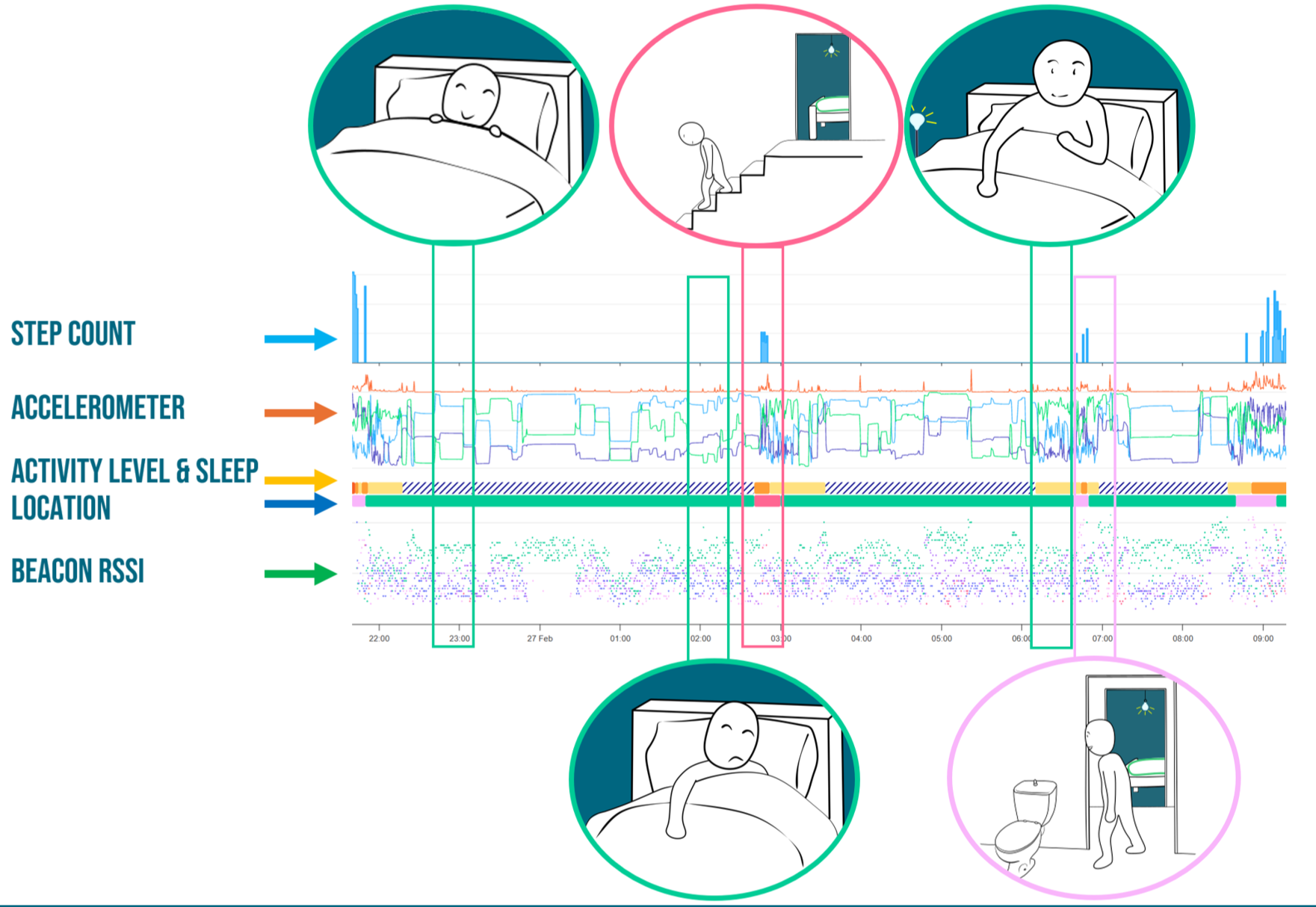
Derived Endpoints
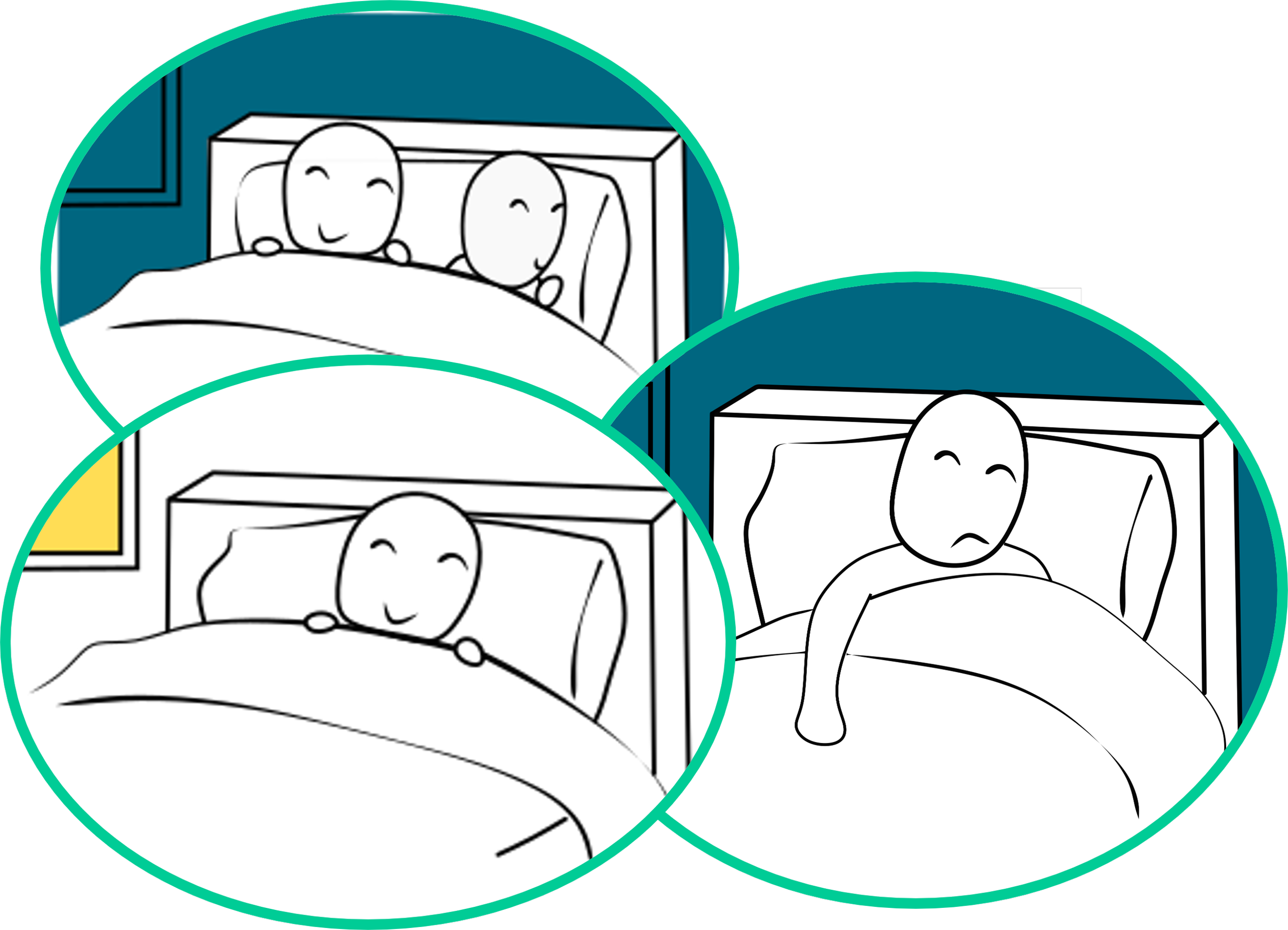
Time in bed vs time asleep
Daytime sleep in bedroom
In bed alone / accompanied
Fatigue
Social withdrawl during day
Sleep disruption concordance
Nocturia
Management of personal hygiene
Loss of independence
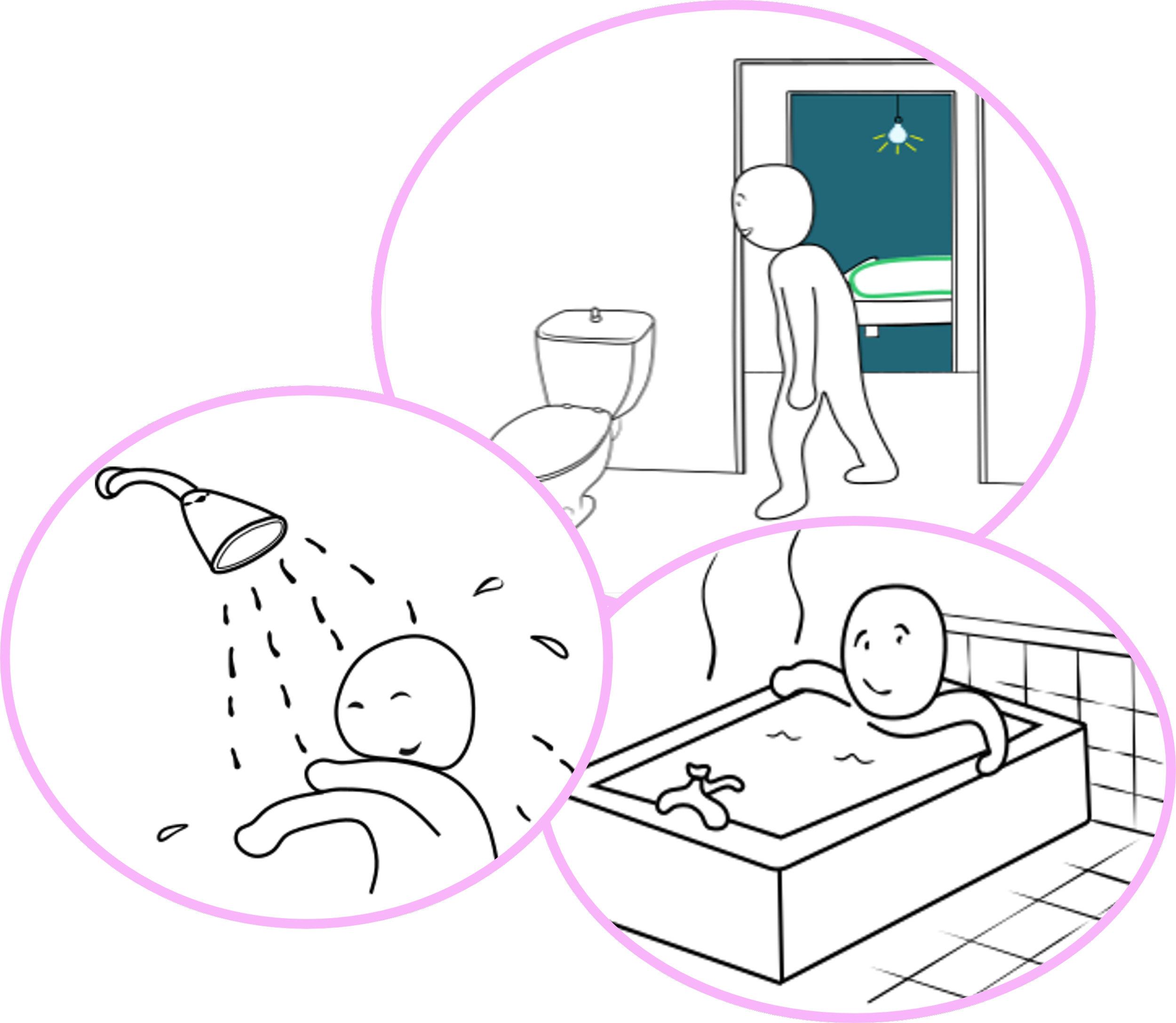
Night-time trips to bathroom
Time / Activity in bathroom
In bathroom alone / accompanied
Management of meal preparation
Loss of independence
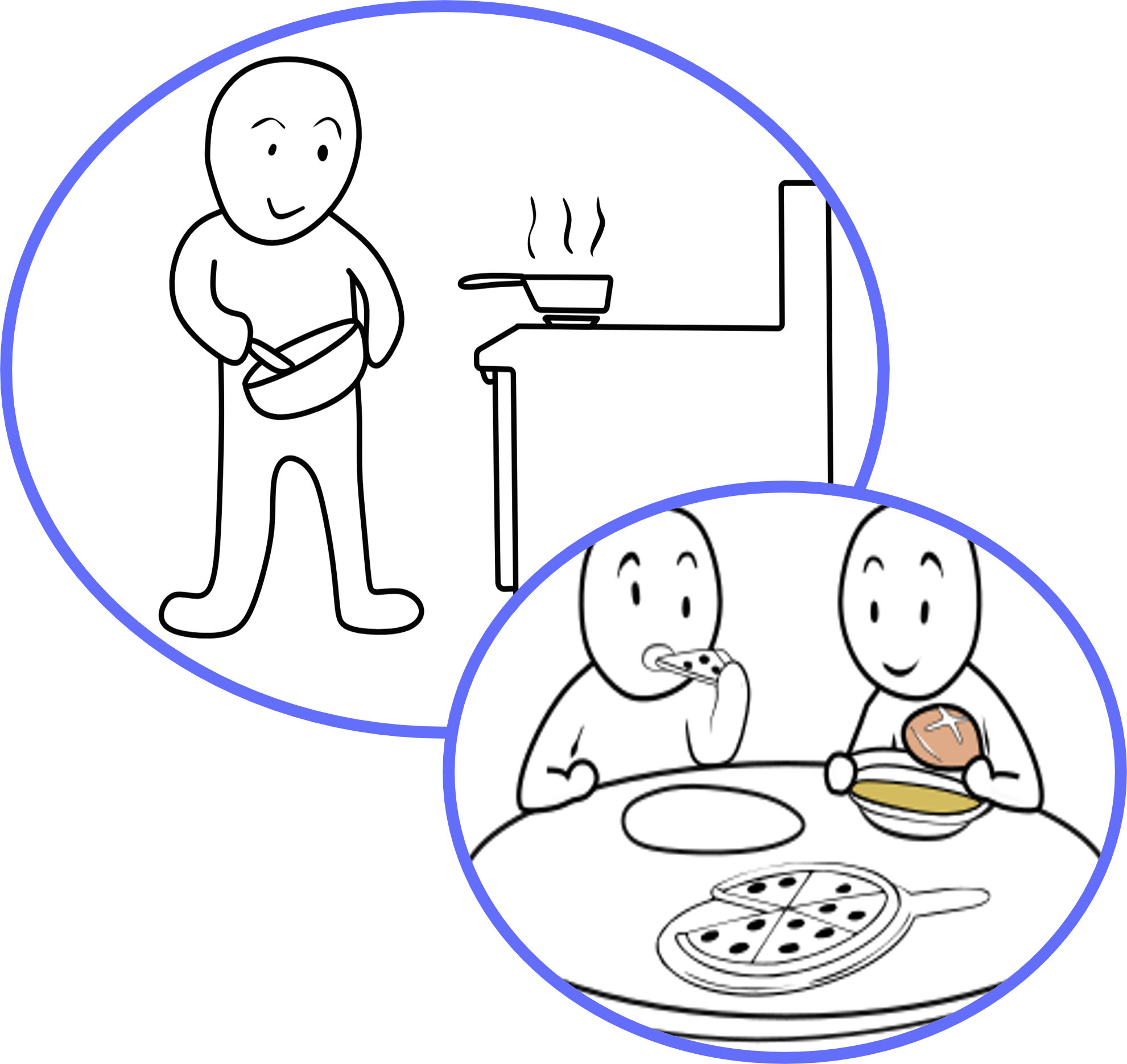
Time / Activity in kitchen
In kitchen alone / accompanied
Social Engagement
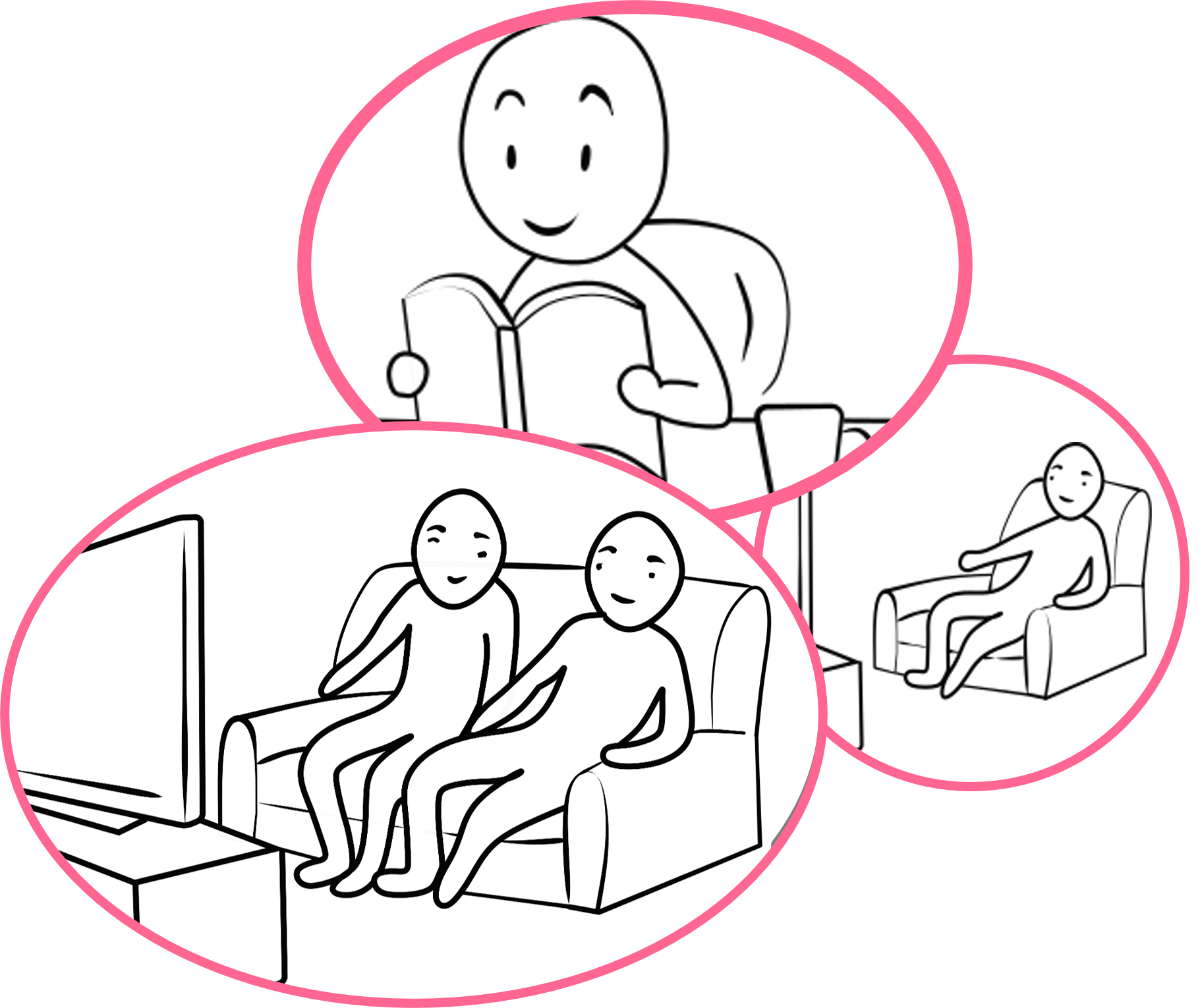
Time / Activity in social areas
Time out of bedroom
In social areas alone / accompanied
Change in daily routine
Social engagement / isolation
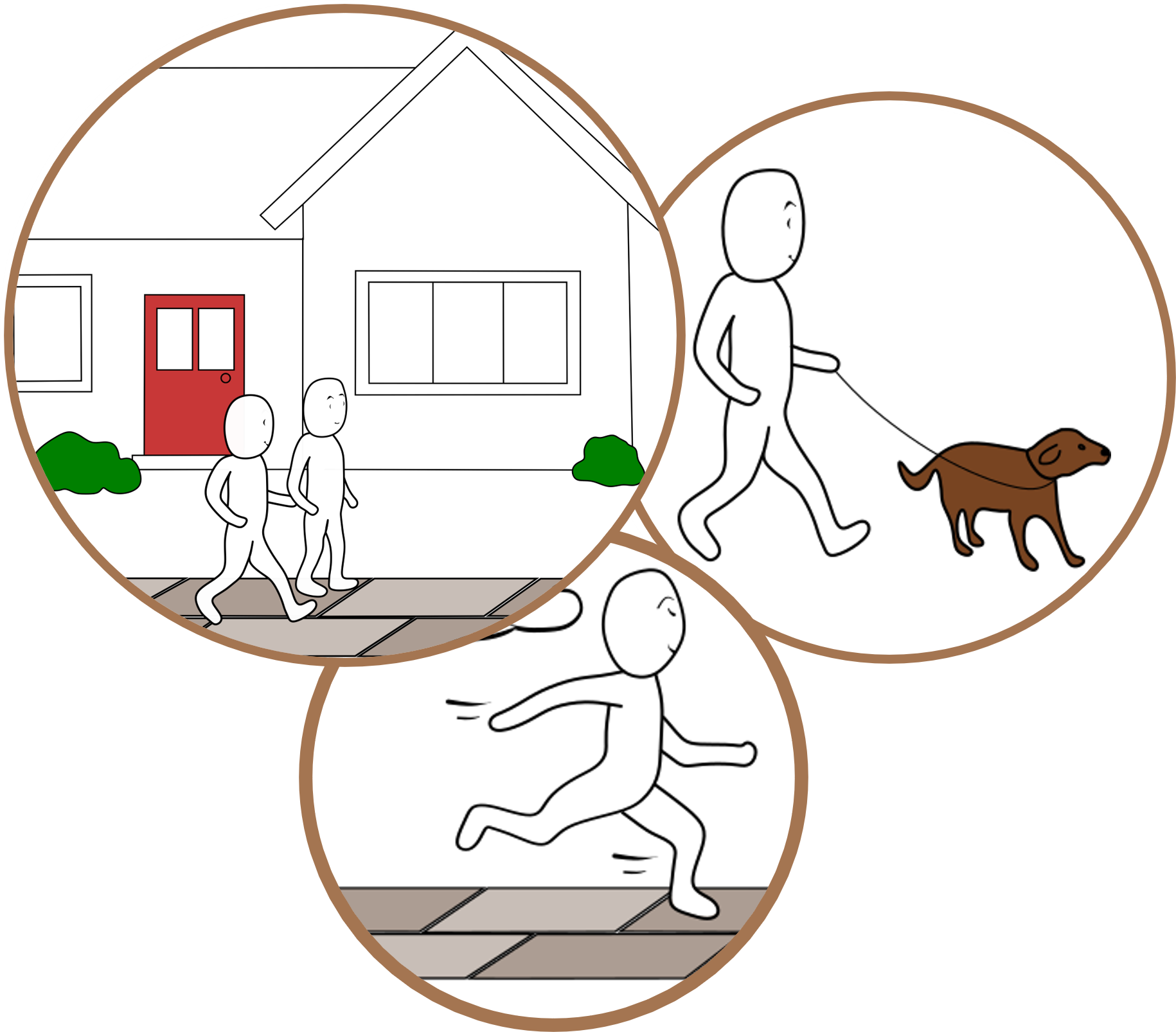
Time / Activity out of doors
Outdoors alone / accompanied
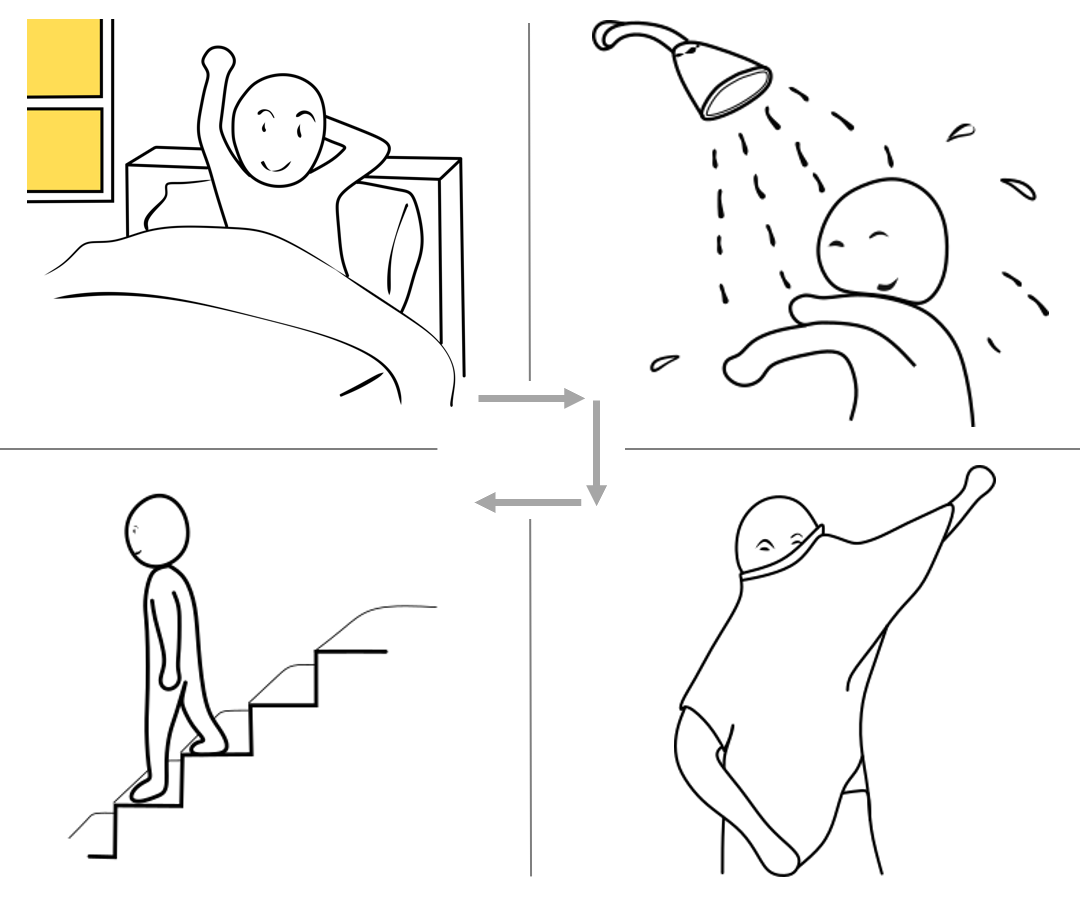
Daily, sequential room transitions and activity
Rate and sequence of room transitions and activity
Morning routine
Other activity sequences
Night time wandering
Purposeless ambulation
Clinical Applications
Here are some examples of how our endpoints can be applied in various clinical conditions
-
Monitoring Capabilities:
Daily Living Activities:
In kitchen -meal preparation
In bathroom -personal hygiene
Wandering Detection:
Identify night-time wandering
Purposeless ambulation
Routine Maintenance: Detect change in daily routines that may indicate cognitive decline
Safety Monitoring: Alert to unsafe behaviors like prolonged nighttime activity outside the bedroom
Clinical Value: Early detection of functional decline, objective ADL assessment, caregiver support, safety management
-
Monitoring Capabilities:
Behavioral Activation: Measure time spent in social spaces vs. isolation in bedroom
Activity Patterns: Track movement levels and engagement with home environment
Routine Structure: Monitor consistency of daily activities and sleep-wake patterns
Social Engagement: Assess interaction patterns when study partners are involved
Clinical Value: Objective depression severity tracking, treatment response monitoring, relapse early warning, behavioral therapy support
-
Monitoring Capabilities:
Mobility Assessment: Track step count across different home environments
Functional Independence: Monitor ability to navigate home and complete daily tasks alone
Sleep Disorders: Detect nighttime movement abnormalities and sleep disruption
Rehabilitation Progress: Measure recovery through progressive return to normal activity patterns
Clinical Value: Disease progression tracking, medication efficacy assessment, rehabilitation outcomes
-
Monitoring Capabilities:
Activity Tolerance: Track physical capacity through step counts and room transitions/time out of home
Environmental Triggers: Correlate activity changes with air quality, temperature, and humidity
Symptom Burden: Detect reduced mobility indicating exacerbations
Nocturia Patterns: Monitor nighttime bathroom visits as indicator of disease severity
Clinical Value: Exacerbation prediction, treatment optimization, hospital readmission prevention, quality of life assessment
-
Monitoring Capabilities:
Recovery Tracking: Measure progressive increase in activity and home accessibility
Therapy Compliance: Monitor adherence to prescribed activity levels
Functional Milestones: Track return to pre-event activity patterns
Setback Detection: Identify regression in recovery trajectory
Clinical Value: Personalized rehabilitation, remote monitoring, readmission prevention, outcome optimization
-
Monitoring Capabilities:
Sleep-Wake Patterns: Track bedroom activity, movement cessation, and sleep timing
Nighttime Behaviors: Monitor bathroom visits, wandering, and sleep fragmentation
Environmental Factors: Correlate sleep quality with bedroom conditions (light, temperature, noise)
Circadian Stability: Assess consistency of daily activity rhythms
Clinical Value: Insomnia assessment, circadian disorder diagnosis, treatment efficacy monitoring
-
Monitoring Capabilities:
Daily Activity Volume: Track total daily step count, movement intensity, and active vs. sedentary time to quantify real-world physical activity beyond structured exercise
Behavioural Change Patterns: Monitor shifts in home-based activity routines — kitchen engagement, reduced sedentary time, increased purposeful movement — as markers of lifestyle change
Appetite and Mealtime Behaviours: Detect changes in frequency and duration of kitchen activity as a proxy for altered eating patterns and meal regularity
Sleep Quality: Assess improvements in sleep duration and consistency as increased activity influences circadian rhythm and sleep architecture
Environmental Engagement: Track whether participants spend more time in active home spaces (less bedroom confinement) as energy levels and motivation improve
Clinical Value: Objective efficacy assessment for physical activity endpoint for obesity and metabolic disease studies, real-world adherence monitoring for lifestyle interventions, detection of treatment-related behavioural side effects (e.g., reduced activity due to nausea or fatigue), and long-term maintenance monitoring post-intervention.
-
Monitoring Capabilities:
Home Mobility: Track ability to access all areas of home safely
Task Completion: Monitor time required for activities of daily living
Independence Metrics: Assess self-care capabilities and need for assistance
Decline Detection: Identify gradual reduction in home navigation and activity
Clinical Value: Aging-in-place support, early intervention triggers, care planning, fall prevention
-
Monitoring Capabilities:
Caregiver Sleep Disruption: Nighttime activity of caregiver in response to patient wandering, nocturia, or agitation
Loss of Independent Time: Monitor periods where caregiver and patient are consistently co-located, identifying reduction in caregiver respite and personal time
Physical Activity and Fatigue: Track caregiver step count and activity patterns over time as indicators of physical depletion and reduced self-care
Routine Disruption: Identify erosion of the caregiver's own daily structure — irregular mealtimes, reduced social space engagement — as disease burden increases
Responsive Behaviour Patterns: Measure frequency and timing of caregiver responses to patient movements as a marker of supervisory load
Clinical Value: Objective caregiver burden assessment, caregiver health monitoring in dementia and neurological disease trials, dyadic endpoint development for interventions targeting both patient and carer, respite care planning and intervention timing, and early identification of caregiver breakdown risk
Get In Touch
If you're interested in working with us, complete the form with a few details about your project. We'll get back to you soon.